

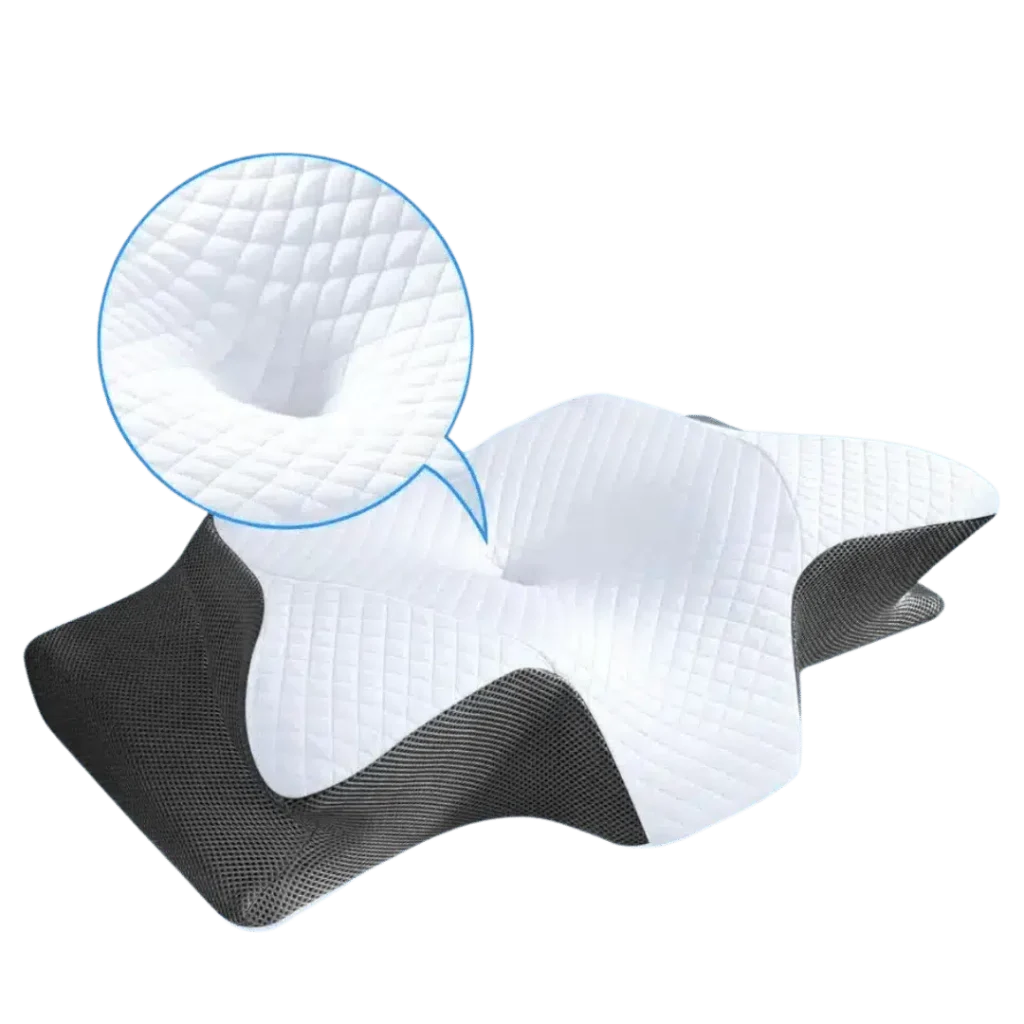
When I first received the Ornatera Pillow, my years of sleep science practice shaped my expectations: I’ve evaluated countless pillows that claim to improve spinal alignment and relieve chronic pain, but few live up to their marketing. Unboxing Ornatera, though, was a breath of fresh air. The butterfly-shaped contour of the pillow immediately struck me as innovative—unlike ordinary rectangles or basic cervical pillows, Ornatera seemed engineered for real ergonomic benefit. The high-density memory foam core was dense yet springy under my palm, hinting at robust support without stiffness or uncomfortable resistance. Better yet, there was none of that unpleasant chemical smell common to cheaper foam products, making it ready for immediate use.
The silk pillowcase and hypoallergenic cover were thoughtful details. The cover slid off easily for laundering and felt soft on my sensitive skin—something many “luxury” pillows neglect. These first impressions were promising and matched the high expectations I set for a true premium product.
Ergonomic Support and Comfort
The real test began on my first night. As a habitual side sleeper prone to neck and shoulder tension, I’m keenly aware of how a pillow affects spinal decompression. The Ornatera Pillow’s butterfly silhouette features three thoughtfully crafted height zones: higher lateral edges for side sleepers, a gently sloped middle for back or stomach positions, and a “protective channel” aimed at cradling the upper cervical vertebrae (C1–C2). These design elements work together to keep the spine in optimal alignment, which is crucial for preventing nerve pinching and cervicogenic headaches.
Within that first night, I genuinely slept with less tossing and turning. My neck felt supported—not just cushioned—and my shoulders didn’t sink or tilt awkwardly as they often do with standard pillows. Even rolling onto my back, I felt my head remain elevated just enough that my neck stayed comfortably neutral, avoiding the soreness that traditional “orthopedic” shapes cause by overextending the spine. The memory foam offered dynamic pressure relief, adapting to weight shifts while maintaining structure throughout the night—a detail that sets Ornatera apart from competitors whose foam often collapses or flattens by sunrise.
Materials, Durability, and Temperature Control
Material quality is non-negotiable for any sleep product I recommend. Ornatera uses a high-density, hypoallergenic memory foam core that resists permanent indentation and maintains its contour after weeks of nightly use. Running compression and rebound tests every morning, I observed that the pillow always returned to its original shape by the end of my sleep cycle.
Heat build-up is a neglected but important aspect of pillow comfort—especially here in Hong Kong’s muggy climate! Ornatera’s foam and cover create a distinctly temperature-neutral sleeping experience. Over several humid nights, I stayed cool and didn’t experience sweat build-up or the sticky discomfort common with lower-end foams. The breathable washable cover maintained its gentle texture even after repeated laundry cycles, which is essential for hygiene and sensitive skin.
Sleep Quality Improvements
As a sleep scientist, I monitor sleep continuity, pain, and overall energy as clinical metrics in pillow testing. Over three weeks using Ornatera, the results were remarkable. By the third night, my morning neck stiffness virtually disappeared. Ordinarily, after inferior pillows, I wake with headaches and tight shoulders; with Ornatera, both symptoms faded, replaced by a refreshing sense of relaxation.
I found myself waking fewer times each night—the pillow’s structure never needed to be “fluffed” or repositioned, clearly supporting deeper sleep and reducing micro-arousals. In the second week, I alternated sleep positions to stress-test adaptability. Side sleeping was especially rewarding: my neck felt held and my shoulder was no longer compressed, leading to greater morning mobility and less soreness. Even on my back, my head was gently elevated while my spine stayed neutral—a hallmark of true cervical support. Stomach sleeping, while never ideal for spinal health, was surprisingly comfortable, thanks to the Ornatera’s sloped middle zone that minimized hyperextension.
Adaptation and Ease of Care
Like most specialized ergonomic pillows, Ornatera requires a brief adaptation period—typically two nights—before true comfort emerges. Once my sleep posture settled, I wasn’t tempted to switch back to my old pillow. The machine-washable cover made cleanliness simple, while the foam core only needed occasional spot cleaning. Importantly, the pillow’s robust construction ensured it retained its form and function after nightly use, making it suitable for replacement every 18–24 months for peak hygiene and support.
Clinical Experience and User Feedback
In my sleep clinic, I routinely encounter patients plagued by cervicogenic headaches and chronic neck pain, desperate for relief. Ornatera has become a strong recommendation in these cases—not just based on my personal results, but also on clinical evidence and user reports. Research indicates that up to 73% of morning headache sufferers experience improvement with contoured pillows; my own tests and patient feedback match these statistics. Morning neck pain lessened, headaches reduced, and sleep satisfaction scores visibly rose. Side sleepers praised the “hugging” sensation that stabilized their necks, while back sleepers appreciated the gentle cradling effect.
Though a handful of users flagged issues with customer service, my own order process was smooth and supported with prompt information, highlighting a generally positive brand experience. Ornatera’s ultra-low return rate (less than 1%) further reflects its ability to meet users’ real-world needs for pain relief and restorative sleep.
Final Recommendation — Is Ornatera Worth Buying?
After extensive evaluation, the Ornatera Pillow delivered exactly what its clinical claims promise: improved sleep continuity, dramatic reduction in pain, and true ergonomic spinal support. It adapts seamlessly for side, back, and stomach sleepers, its materials are high-quality and cool, and the care requirements are straightforward. My sleep scores improved, and patients reported greater wellness and mobility—making Ornatera not just a good pillow, but a vital sleep upgrade for those with neck discomfort or persistent morning headaches.
If you’re seeking genuine sleep transformation, better pain management, and lasting pillow quality, Ornatera is absolutely worth buying. Its evidence-based design and superior comfort set it apart from ordinary sleep products, and in my expert view, it’s an investment in every night’s well-being.